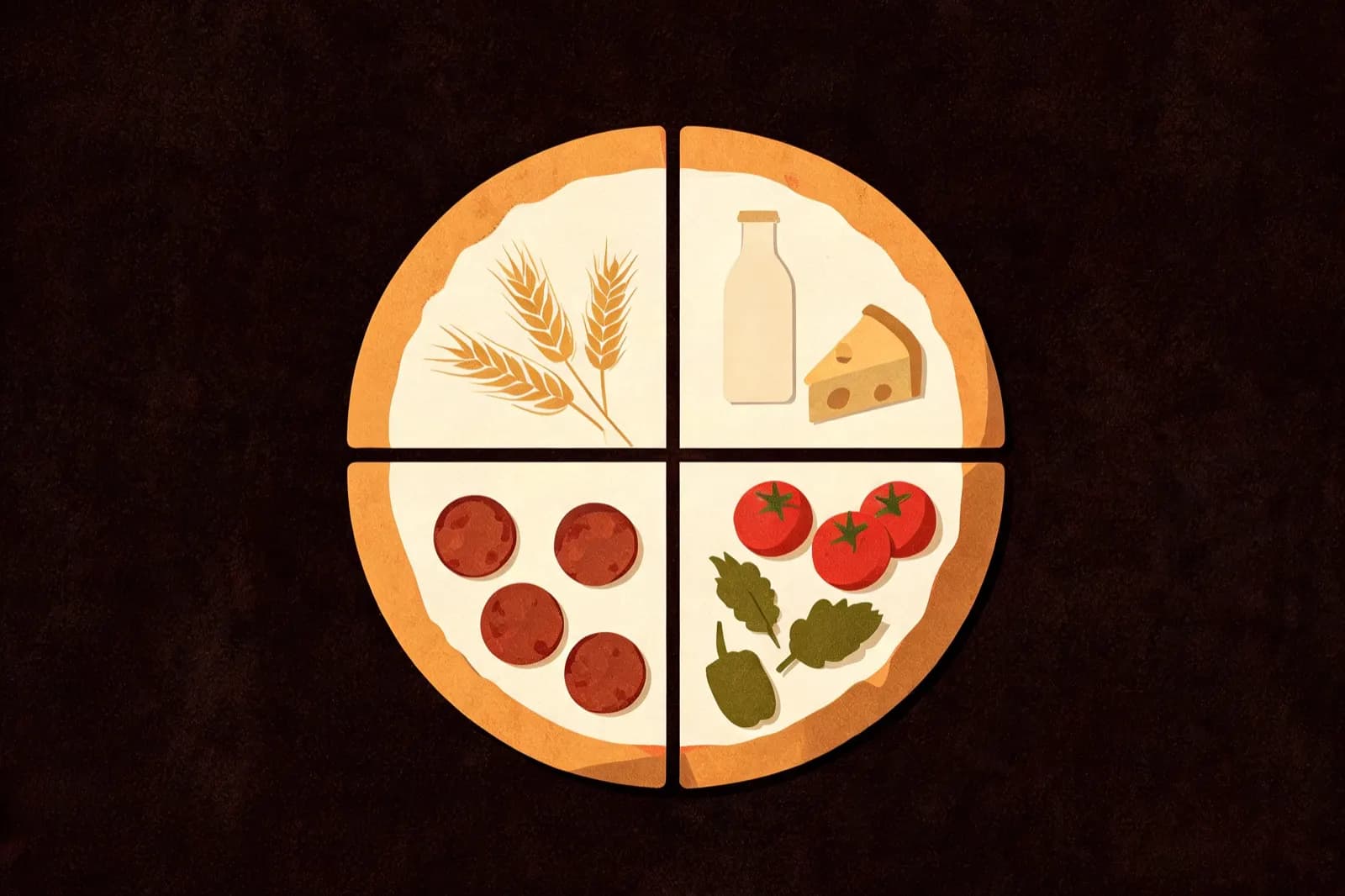
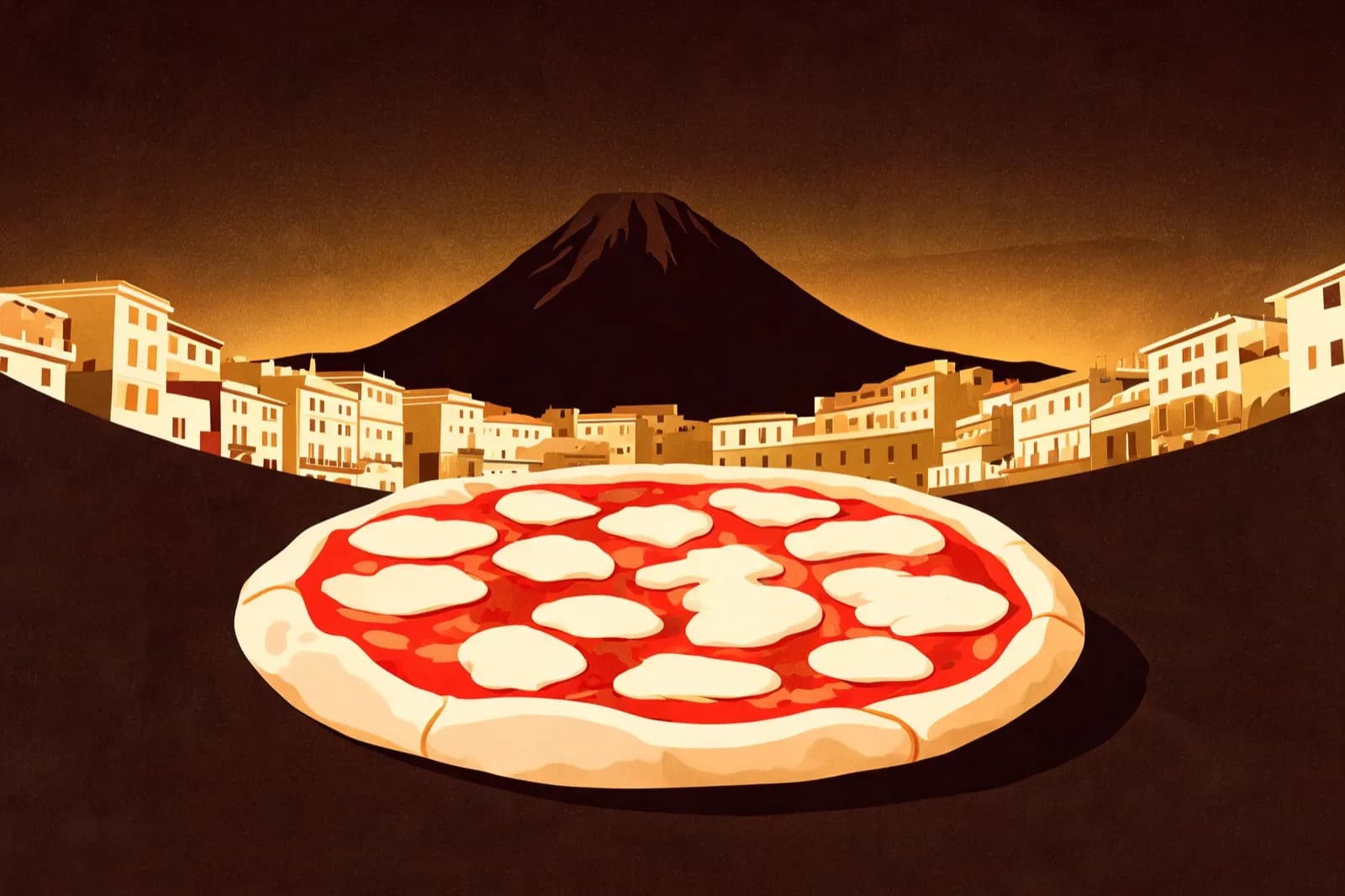
Pizza as we know it originated in Naples, Italy, where street vendors of the 1700s and 1800s sold cheap tomato-topped flatbreads to the city's working poor. Flatbread with toppings is ancient and belongs to no single country, but Naples is where dough, tomato, and cheese became a dish with its own name and its own tradesmen. The American chapter starts in New York around 1900.
That's the answer if you're in a hurry. The longer version is better, and most of it is even true.
The word is older than the dish
The earliest known appearance of the word "pizza" is in a Latin document from Gaeta, in southern Italy, dated 997 AD. It records flatbreads owed to the local bishop as rent. No tomatoes were involved, because Europe didn't have any. Tomatoes are a New World crop that reached Italy in the 1500s, and Europeans spent a long stretch afterward suspecting they were poisonous.
Flatbreads themselves go back thousands of years across the Mediterranean and the Middle East. Pizza's ancestors are old. Pizza is not.
Naples turns flatbread into pizza
By the 18th century Naples was one of the largest cities in Europe, packed with working people who needed food that was cheap, fast, and eaten standing up. Street vendors obliged with flatbreads topped with garlic, lard, cheese, anchovies, and eventually the tomato, which the Neapolitan poor adopted well before polite society did. Foreign visitors wrote about the stuff with open disgust. The city kept eating it anyway, and the pizzeria as a fixed shop grew out of that street trade.
So the honest answer to "who invented pizza" is nobody with a name. Naples invented it the way cities invent things: gradually and anonymously.
The Margherita story, flagged as a story
The famous version goes like this. In 1889, pizzaiolo Raffaele Esposito made three pizzas for Queen Margherita of Savoy, who was visiting Naples. She favored the one dressed in the colors of the new Italian flag: tomato, mozzarella, basil. He named it in her honor.
It's a tidy story, and food historians have poked holes in it. Pizzas topped with tomato, mozzarella, and basil existed before 1889, and the authenticity of the thank-you letter displayed at Pizzeria Brandi has been questioned. The pizza is real. The origin story earns an asterisk. Naples seems comfortable holding both facts at once.
Pizza crosses the Atlantic
Southern Italian immigrants carried pizza to American cities in the late 1800s. Lombardi's, in Manhattan's Little Italy, is traditionally credited as America's first pizzeria, licensed in 1905. Even that is contested: later research has turned up evidence of pizza being made and sold in New York before Lombardi's got its license. What nobody disputes is that by the early 1900s, pizza was a New York food, made by Italians, mostly for Italians.
For decades it stayed that way. Pizza needed a push to go national.
The postwar boom
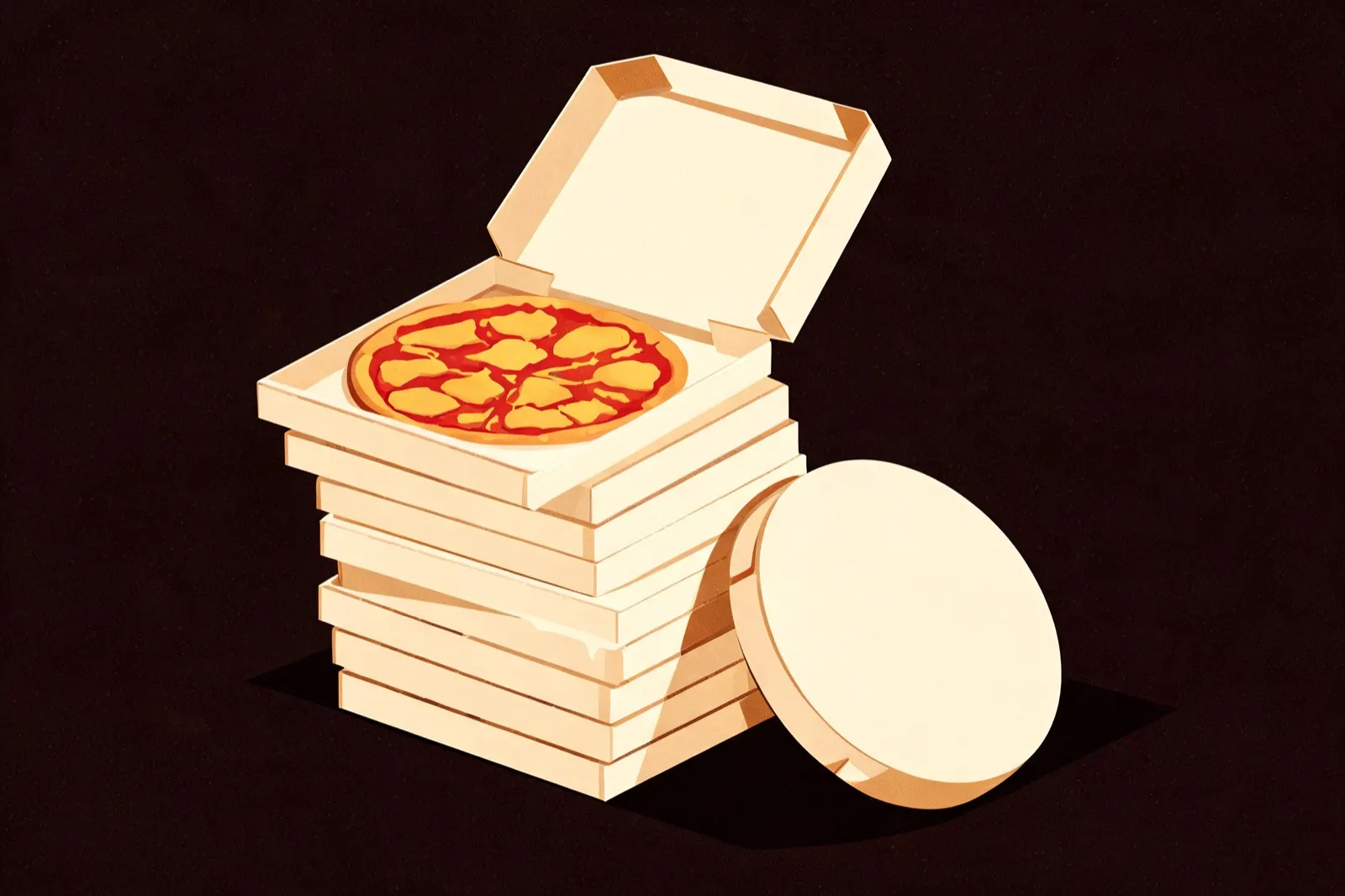
The push came home in uniform. American servicemen who had been stationed in Italy during World War II came back with an appetite for the stuff, and the 1950s did the rest. Pizzerias spread past the old Italian neighborhoods, frozen pizza hit supermarket cases, and the chains arrived, with Pizza Hut opening in 1958 and Domino's in 1960. Within a generation, an immigrant street food had become one of the most widely eaten dinners in America.
New York and Chicago go separate ways
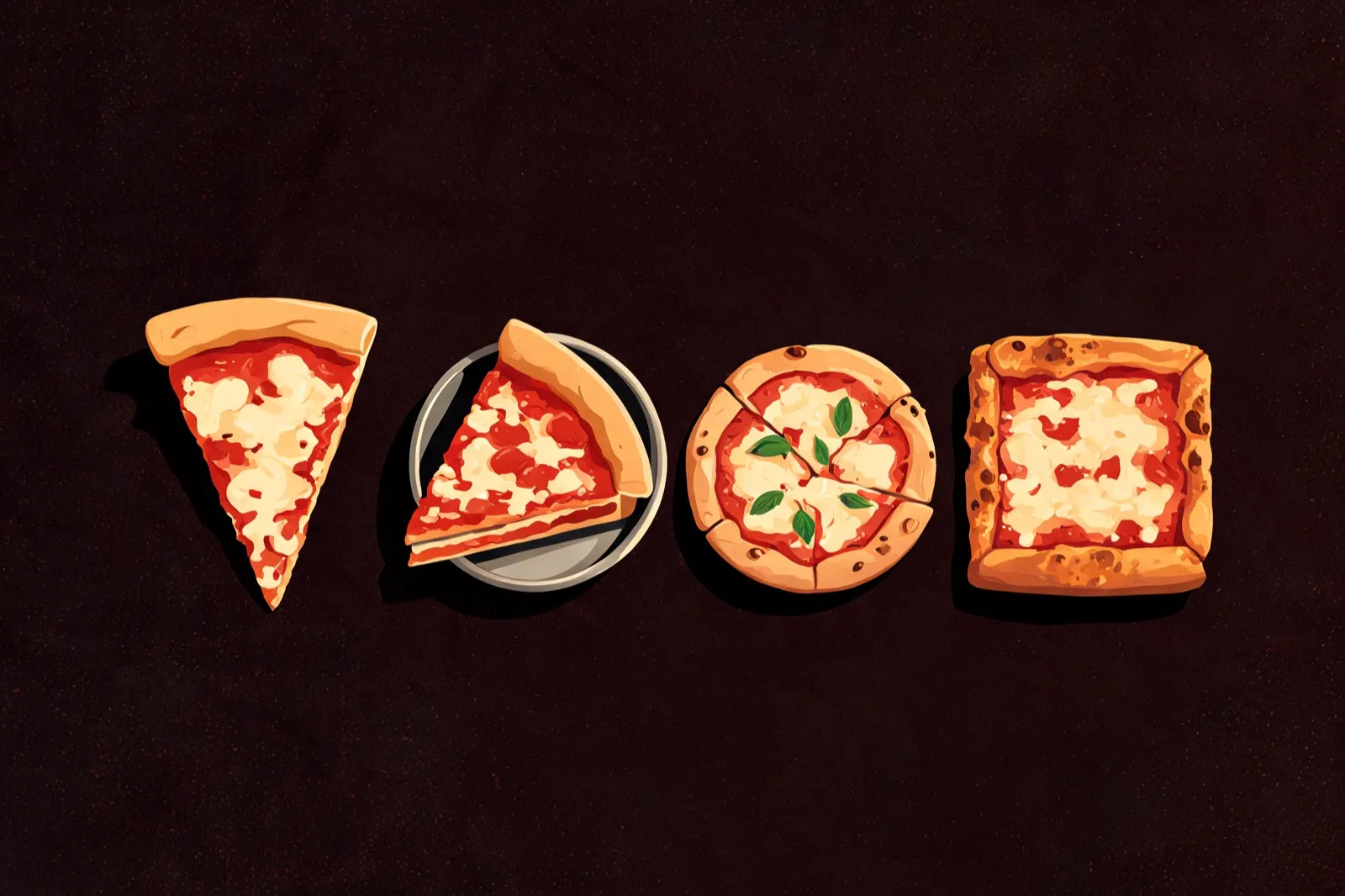
As pizza spread, it split. New York held close to the Naples line: a hand-tossed, thin, wide pie you fold to eat, descended from the coal-oven pizzerias of the early 1900s. That's the lineage behind NY-style pizza, and it's still the picture most Americans see in their head when someone says the word.
Chicago went vertical. Pizzeria Uno claims the invention of deep dish in 1943, with founders Ike Sewell and Ric Riccardo usually named as its creators, though exactly who developed the recipe is disputed to this day. What emerged was practically a different dish: a tall crust worked up the sides of a deep pan, cheese laid down first, sauce riding on top. Deep dish has drawn howls from New York partisans ever since, which has never once slowed Chicago down.
Where that leaves you
You don't have to pick a side. Big Jim's makes a hand-tossed NY-style pie and a real Chicago deep dish baked to order, which takes about an hour and deserves every minute of it. Naples started the argument. You get to eat both ends of it. Check the menu and place your bets.
FAQs
Where did pizza originate?
In Naples, Italy, where street vendors of the 1700s and 1800s sold cheap tomato-topped flatbreads to the city's working poor. Flatbreads are far older, but Naples is where the dish got its name and its tradition.
Who invented the Margherita pizza?
Legend credits Naples pizzaiolo Raffaele Esposito, who supposedly made it for Queen Margherita in 1889. Food historians consider the story at least partly legend, since tomato, mozzarella, and basil pizzas existed before that visit.
What was the first pizzeria in America?
Lombardi's in New York, licensed in 1905, is traditionally credited. Later research suggests pizza was made and sold in New York earlier, so the title is contested.
When was Chicago deep dish invented?
Pizzeria Uno claims 1943, with founders Ike Sewell and Ric Riccardo usually named as its creators. Exactly who developed the recipe is still disputed.